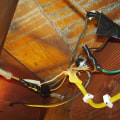
Managing residential electrical components safely is essential for protecting both property and occupants. Electrical systems power nearly every aspect of modern living, from lighting and appliances to heating and cooling systems. However, when these systems are not properly maintained or handled, they can pose serious risks such as electrical shocks, fires, and equipment damage. Understanding basic safety practices and recognizing potential hazards are key steps in ensuring that electrical components operate reliably and securely within the home.
Inspecting and Maintaining Electrical Systems
Regular inspections are one of the most effective ways to maintain electrical safety. Homeowners should periodically check outlets, switches, and visible wiring for signs of wear, damage, or discoloration. Flickering lights, unusual noises, or frequently tripped breakers may indicate underlying issues that require attention. Working with experienced professionals, such as Berkeys Plumbing, A/C & Electrical, can help ensure that inspections are thorough and that any necessary repairs are completed according to safety standards. Routine maintenance helps prevent minor issues from developing into more serious problems.
Avoiding Overloading Circuits
Overloading electrical circuits is a common mistake that can lead to overheating and potential fire hazards. Plugging too many devices into a single outlet or power strip can exceed the circuit’s capacity, causing breakers to trip or wiring to overheat. To avoid this, homeowners should distribute electrical loads evenly across multiple outlets and use surge protectors when necessary. Understanding the limits of each circuit helps maintain safe operation and reduces the risk of damage.
Using Proper Equipment and Tools
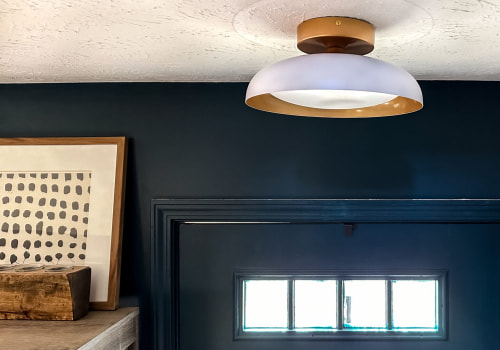
Using the right equipment and tools is essential when working with electrical components. Homeowners should avoid using damaged cords, outdated devices, or incompatible equipment, as these can increase the risk of electrical issues. When performing minor tasks, such as replacing light fixtures or outlets, it is important to use insulated tools and follow proper procedures. For more complex work, professional assistance is recommended to ensure safety and compliance with regulations.
Keeping Electrical Areas Clean and Accessible
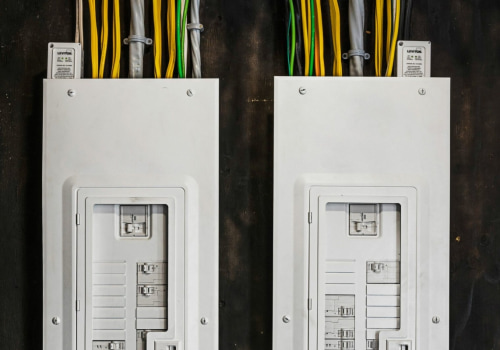
Maintaining clean and organized spaces around electrical components contributes to overall safety. Dust and debris can accumulate around panels and outlets, potentially affecting performance and increasing fire risks. Keeping these areas free of clutter ensures that components remain accessible for inspections and emergencies. Proper organization also reduces the likelihood of accidental damage or interference with electrical systems.
Educating Household Members on Safety Practices
Electrical safety is a shared responsibility that involves all members of the household. Educating family members about basic safety practices, such as avoiding contact with wet hands and not inserting objects into outlets, helps create a safer environment. Teaching children about the dangers of electricity and establishing clear guidelines for device usage further reduces risks. Awareness and education play a significant role in preventing accidents and ensuring safe interactions with electrical systems.
Building a Proactive Safety Routine
Ultimately, managing residential electrical components safely requires a proactive approach that combines regular maintenance, proper usage, and professional support. By staying attentive to potential issues and following established safety practices, homeowners can protect their property and ensure the reliable operation of their electrical systems. This commitment to safety not only reduces risks but also provides peace of mind, allowing families to enjoy their homes with confidence.