Electrical components play a fundamental role in the performance of both plumbing and HVAC systems, even though these systems are often thought of as separate. Modern homes rely on electricity to power pumps, motors, thermostats, and control panels that regulate water flow and indoor climate. Without a stable and properly functioning electrical system, plumbing fixtures may lose pressure or fail to operate, while HVAC systems can struggle to maintain consistent temperatures. Understanding how these systems are interconnected helps homeowners recognize the importance of maintaining electrical components as part of overall home care.
Powering Plumbing Systems Efficiently
Many plumbing systems depend on electrical components to function effectively. Sump pumps, water heaters, and well pumps all require reliable power to operate. When electrical issues such as faulty wiring or inconsistent voltage occur, these systems can underperform or stop working entirely. For example, a malfunctioning water heater may fail to heat water properly due to electrical faults, while a sump pump may not activate during heavy rainfall if it lacks power. Consulting a local electrician when electrical concerns arise ensures that these components are functioning correctly and supporting the plumbing system as intended. Proper electrical maintenance helps prevent disruptions and ensures consistent water delivery throughout the home.
Supporting HVAC Performance and Control
HVAC systems are heavily dependent on electrical components for both operation and control. Thermostats, blower motors, compressors, and control boards all rely on electricity to regulate heating and cooling processes. If electrical connections are loose or components are damaged, the HVAC system may experience issues such as inconsistent airflow, temperature fluctuations, or complete shutdowns. Additionally, modern HVAC systems often include smart features that require stable electrical connections to function properly. Maintaining these components ensures that the system operates efficiently and responds accurately to user settings.
Preventing System Overload and Inefficiency
Electrical overload is another factor that can negatively impact plumbing and HVAC systems. When circuits are overloaded or not properly designed to handle demand, it can lead to frequent breaker trips or reduced system performance. This is especially common in homes with older electrical systems that may not support modern appliances and equipment. Overloaded circuits can cause HVAC units to cycle improperly or plumbing-related equipment to lose power intermittently. Ensuring that electrical systems are properly sized and maintained helps prevent these issues and supports the smooth operation of all connected systems.
Enhancing Safety and Longevity
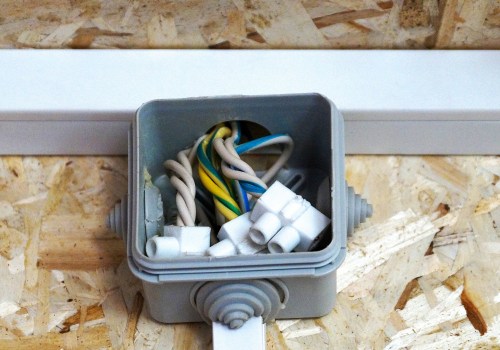
The condition of electrical components directly affects the safety and longevity of plumbing and HVAC systems. Faulty wiring or damaged components can create hazards such as electrical fires or equipment failure. Regular inspections and timely repairs help identify potential risks before they become serious problems. Additionally, well-maintained electrical systems reduce wear and tear on connected equipment, extending their lifespan and improving overall performance. This proactive approach not only protects the home but also minimizes the need for costly repairs or replacements.
Creating a Balanced and Efficient Home System
Ultimately, the performance of plumbing and HVAC systems is closely tied to the reliability of electrical components. By ensuring that electrical systems are properly maintained and integrated, homeowners can achieve a more balanced and efficient home environment. Addressing electrical issues promptly, investing in regular maintenance, and working with qualified professionals all contribute to the seamless operation of these interconnected systems. When electricity supports plumbing and HVAC functions effectively, the result is a home that delivers consistent comfort, reliability, and long-term value.