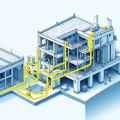
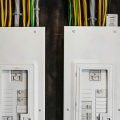
Residential electrical components serve as the backbone of modern smart homes, enabling seamless connectivity, automation, and energy management. From the main electrical panel to individual circuits and wiring systems, every component plays a role in distributing power safely and efficiently throughout the home. As smart technology continues to evolve, the demand for reliable electrical infrastructure has grown significantly. Devices such as smart thermostats, automated lighting systems, and connected appliances all rely on a stable electrical network to function properly. Without a well-designed electrical system, even the most advanced smart home features would struggle to operate consistently.
Key Electrical Components in Smart Homes
Several essential electrical components contribute to the functionality of a smart home. Circuit breakers protect the system from overloads, while wiring and outlets provide the pathways for electricity to reach various devices. Smart switches and dimmers allow homeowners to control lighting remotely, while integrated hubs and control panels act as the central command for connected systems. Additionally, sensors and automated controls depend on consistent power to monitor and adjust environmental conditions in real time. These components work together to create a responsive and efficient living environment that adapts to the homeowner’s needs.
Powering Automation and Convenience
One of the most significant advantages of modern electrical systems is their ability to support automation. Smart homes can be programmed to adjust lighting, temperature, and security settings based on occupancy, time of day, or user preferences. For example, lights can automatically turn on when someone enters a room or dim in the evening to create a relaxing atmosphere. Outdoor spaces can also benefit from advanced electrical planning, particularly when incorporating features like outdoor lighting installation in McKinney, which enhances both safety and curb appeal. This level of automation not only improves convenience but also contributes to energy efficiency by reducing unnecessary power usage.
Enhancing Energy Efficiency and Sustainability
Energy efficiency is a major focus in modern smart homes, and residential electrical components play a key role in achieving this goal. Smart meters, energy monitoring systems, and programmable devices allow homeowners to track and manage their energy consumption more effectively. LED lighting, energy-efficient appliances, and advanced power management systems further reduce energy usage without compromising performance. By optimizing how electricity is distributed and consumed, smart homes can lower utility costs and minimize their environmental impact. Proper installation and maintenance of electrical components ensure that these systems continue to operate at peak efficiency.
Supporting Safety and Security Systems
Electrical systems are also critical for powering the safety and security features of a smart home. Surveillance cameras, alarm systems, and motion detectors all rely on a dependable power supply to function effectively. Backup power solutions, such as generators or battery systems, can provide additional protection during outages, ensuring that essential systems remain operational. Proper wiring and circuit design are essential to prevent electrical hazards and maintain a safe living environment. By integrating safety features into the electrical infrastructure, homeowners can enjoy greater peace of mind.
Future-Proofing Smart Home Infrastructure
As technology continues to advance, the importance of future-proofing residential electrical systems becomes increasingly clear. Planning for additional capacity, installing flexible wiring solutions, and incorporating scalable technologies allow homeowners to adapt to new innovations over time. Whether adding new devices or upgrading existing systems, a well-designed electrical infrastructure ensures that the home remains compatible with future advancements. By investing in robust electrical components and thoughtful planning, homeowners can create smart homes that are not only functional today but also ready for tomorrow’s technologies.